The Psychology of “Owned” vs. “Rented” Digital Assets
Apr 11, 2026Why the most successful brands focus on building platforms they control
In the digital age, visibility feels easier than ever.
A few posts on social media.
A well-timed reel.
A trending sound.
Suddenly, your business is in front of thousands — sometimes even hundreds of thousands — of people.
But there’s a deeper question that most business owners don’t ask until something goes wrong:
Do you actually own the platform where your audience lives?
Understanding the psychological and strategic difference between owned digital assets and rented digital space can change how you build your brand, protect your visibility, and grow your business over time.
What Are “Rented” Digital Assets?
When we talk about rented digital space, we’re referring to platforms that allow you to build an audience but ultimately control the rules.
Examples include:
- Social media platforms
- Third-party marketplaces
- Listing sites
- Advertising platforms
These tools are incredibly powerful. They allow businesses to reach large audiences quickly and efficiently.
But they come with a critical reality:
You don’t control the platform.
The algorithms change.
Policies shift.
Accounts are suspended.
Reach rises and falls without explanation.
From a psychological standpoint, rented platforms create what researchers call dependency architecture. Businesses begin relying on systems they do not control to maintain visibility and revenue.
That dependency creates vulnerability.
The Illusion of Ownership
One of the most powerful psychological traps in digital marketing is the illusion of ownership.
When you have:
- 5,000 followers
- 50,000 followers
- or even 500,000 followers
…it can feel like you have built something permanent.
But in reality, what you’ve built is access to an audience inside someone else’s ecosystem.
If the platform changes the rules tomorrow, that access can disappear.
We’ve seen examples of this repeatedly.
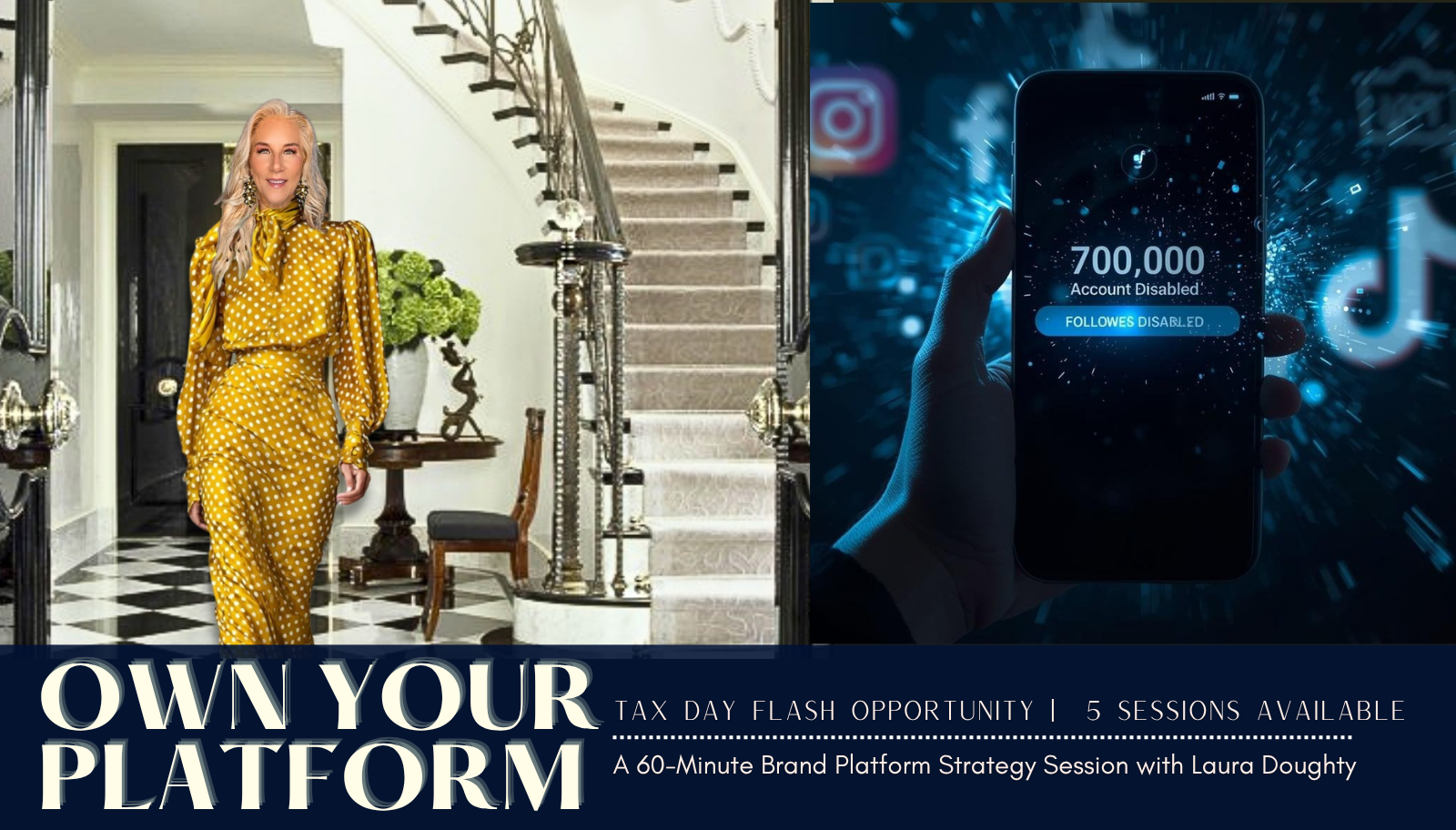
Accounts with hundreds of thousands of followers suddenly disabled.
Businesses losing years of content overnight.
Creators forced to start over from scratch.
The emotional impact is real because psychologically, people believed they owned something they were only borrowing.
The Power of “Owned” Digital Assets
Owned digital assets operate very differently.
These are platforms and systems where you control the structure, the content, and the connection with your audience.
Examples include:
- Your website
- Your email list
- Your content archive
- Your branded publications
- Your landing pages and audience funnels
These assets represent what economists call equity-based infrastructure.
Instead of building attention that disappears with an algorithm change, you are building long-term digital equity.
And the psychological difference is profound.
Ownership creates:
- stability
- control
- long-term strategic leverage
When your audience relationship lives on a platform you own, you’re no longer dependent on someone else’s ecosystem.
Why the Most Successful Brands Prioritize Ownership
If you look at the brands that maintain visibility over long periods of time, you’ll notice a pattern.
They don’t rely on just one platform.
They build platform ecosystems.
Social media becomes a discovery tool.
Advertising becomes an amplification tool.
But the core audience relationship lives somewhere else:
On a platform they control.
This shift in thinking changes the role of marketing entirely.
Instead of chasing algorithms, brands begin building owned media assets that compound in value over time.
Every blog post adds authority.
Every email grows the audience relationship.
Every landing page strengthens the platform.
Over time, this creates something much more powerful than visibility.
It creates brand gravity.
The Long-Term Advantage of Digital Ownership
When a business focuses on building owned digital assets, several long-term advantages emerge:
1. Stability
Your audience connection is no longer dependent on changing algorithms.
2. Strategic Control
You decide how your brand is presented, how stories are told, and how customers experience your message.
3. Compounding Value
Owned assets grow stronger over time rather than disappearing in a 24-hour newsfeed cycle.
4. Audience Independence
Instead of relying on platforms to deliver attention, you develop a direct relationship with your audience.
From a psychological perspective, this shift moves businesses from a reactive marketing mindset to a strategic ownership mindset.
Social Media Still Matters
None of this means social media is unimportant.
In fact, it’s still one of the most powerful discovery engines available.
But the smartest brands use social platforms differently.
Instead of building their entire presence there, they treat social media as:
- a distribution channel
- a visibility engine
- a bridge to owned platforms
The goal is not to abandon social media.
The goal is to ensure it is not the only place your brand exists.
The Future Belongs to Platform Builders
As digital ecosystems continue to evolve, one truth is becoming clearer every year:
The businesses that build platforms will outperform the businesses that only build profiles.
Profiles live inside someone else’s system.
Platforms create systems of your own.
And when your audience, content, and message live in a space you control, you’re not just building attention.
You’re building a long-term asset.
A Final Thought
Tax Day reminds us every year that there are systems we all participate in but don’t control.
Digital marketing works the same way.
You can spend years building visibility on rented platforms…
Or you can begin building a platform that truly belongs to you.
Because the real question isn’t just:
How many people see your brand today?
The more important question is:
Where will your audience still be able to find you ten years from now?
For a limited time, Laura is offering five private Brand Platform Strategy Sessions—a 90-minute deep dive where she will analyze your current digital presence and map out a strategy to move from rented visibility to owned authority.
Stay connected with news and updates!
Join our mailing list to receive the latest news and updates from our team.
Don't worry, your information will not be shared.
We hate SPAM. We will never sell your information, for any reason.
